Discover How Often Usps Employees Get Paid Is It Weekly Or Biweekly
Discover How Often USPS Employees Get Paid - Is It Weekly or Biweekly?
1. Introduction
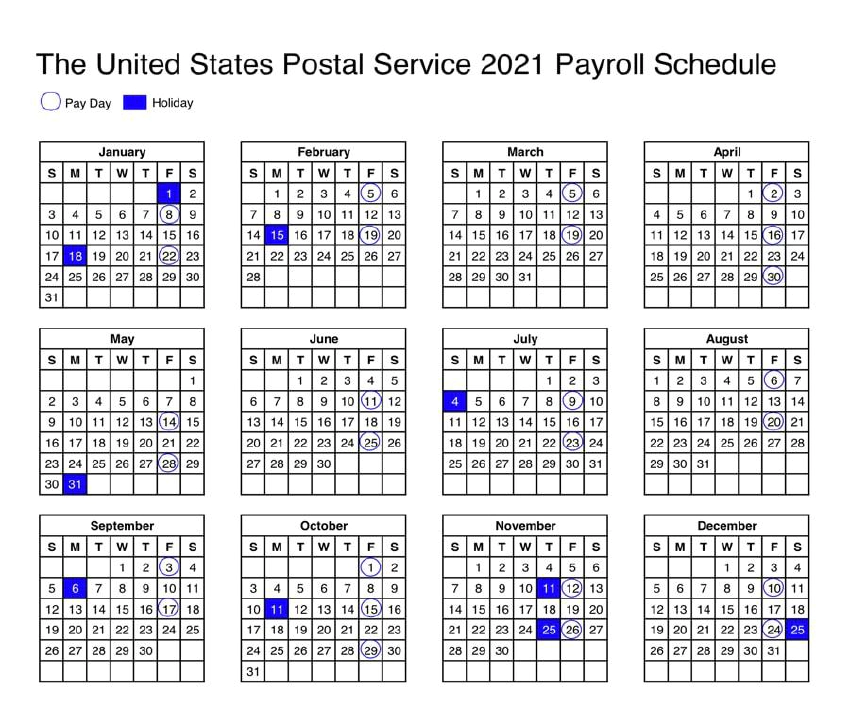
If you’re curious about how often USPS employees get paid, you’ve come to the right place. In this article, we’ll take a look at how often USPS workers receive their salaries and discuss other related topics. USPS employees are compensated on a biweekly basis. This means that they are paid every two weeks, with a total of 26 payments per year. The biweekly payment system allows USPS employees to manage their finances more effectively and allows them to have more financial flexibility. In addition to biweekly paychecks, USPS employees also receive vacation pay, sick leave, and other forms of additional compensation. All of these forms of additional pay are paid out biweekly along with the salary payments. In terms of taxes, USPS employees are subject to federal, state, and local taxes. The government also deducts Social Security and Medicare taxes from their paychecks. USPS employees also have to pay health insurance premiums as part of their compensation package. Overall, USPS employees are well compensated for their work. They receive biweekly payments, additional forms of compensation, and are subject to the same taxes as everyone else. With all these factors in mind, USPS employees can rest assured that they are receiving a fair compensation for their hard work.
2. History of USPS Pay
USPS employees are typically paid twice a month, on the 1st and 16th of each month. The USPS has been following this biweekly pay schedule since 1939, when the Postal Reorganization Act was passed. This pay schedule is also known as a “biweekly cycle”. Before 1939, the USPS used to pay its employees on a daily basis. This was changed to a weekly basis in the late 1800s and then to the biweekly cycle in 1939. The Postal Reorganization Act mandated that all USPS employees should be compensated on the biweekly cycle. The USPS also has a deferred pay system, which allows its employees to receive a lump sum of pay at the end of a given year. This system is meant to give employees a benefit of collecting a larger sum of pay at the end of the year, which can help them with any unexpected expenses during the year. Since 1939, the USPS has kept to its biweekly pay system for its employees. This system has been beneficial for the USPS since it ensures that its employees are paid regularly. The USPS also offers its employees a deferred pay system, which is an added bonus for its employees.
3. Advantages of Weekly vs Biweekly Pay
The United States Postal Service (USPS) employs a variety of people, and could choose to pay them in either a weekly or biweekly fashion. When it comes to salary, weekly payment offers many advantages. First, it allows employees to receive the money they earned more quickly, which is beneficial, especially when they have immediate expenses to cover. It also allows them to plan out their budget a little easier. Biweekly payment, however, is also beneficial as it limits the number of times employees must go through the time-consuming process of cashing a check or depositing it into their bank accounts. This can help employees save time and make them more efficient on the job. Another advantage of biweekly payment is that USPS employees can have more money put into their savings accounts each pay period. This can accumulate over time and give them a financial buffer in case of an unexpected expense. In conclusion, both weekly and biweekly payment can offer benefits to USPS employees. Both methods offer their own unique advantages which can be beneficial depending on the specific employee’s financial needs.
4. Disadvantages of Weekly vs Biweekly Pay
USPS employees usually receive biweekly paychecks. This means that they get paid every other week. This payment arrangement sometimes has both advantages and disadvantages. One disadvantage of biweekly pay versus weekly pay is that you don’t get paid as often. This can be an issue if you need regular payments or if you’re living paycheck to paycheck. Another disadvantage is that you may end up making less money in a month with biweekly pay than with weekly pay. This is because you will be paid less frequently, so you don’t have as much time to accumulate wages. In addition, having a biweekly pay schedule can make budgeting more difficult. With weekly pay, you can plan your budget based on when you get paid each week. However, with biweekly pay, you only have a couple of paychecks each month, which makes budgeting more complicated. Finally, it can be harder to manage your taxes when you are paid biweekly instead of weekly. When you get paid more often, you may be able to make more deductions on your taxes, since you will be paying taxes on smaller amounts each week. With biweekly pay, you may end up paying more in taxes due to having fewer deductions. Overall, there are some potential disadvantages to USPS employees getting paid biweekly instead of weekly. While there may be some advantages to having a biweekly salary, such as a larger paycheck every other week, these may be outweighed by the negatives of not having regular paychecks or having difficulty with budgeting and taxes.
5. Conclusion
The conclusion of this article is that USPS employees get paid biweekly. This means that they receive their salary every two weeks. This is a common payment frequency for many employers in the United States. It is important to note that USPS employees are paid for the hours they work, regardless of the biweekly schedule. This means that if an employee works on a Sunday or any other day, they will be paid for the hours they worked. In addition to biweekly pay, USPS employees may receive benefits such as health insurance and retirement savings. These benefits are often provided in addition to biweekly pay. Overall, working for USPS can be a great way to earn a steady paycheck and access excellent benefits. Knowing that employees are paid biweekly can help employees plan their budget and anticipate when they will be receiving their salary. Biweekly pay is only one of the many benefits of working with USPS, which makes it a great employer for many people. Understanding the payment frequency can help employees plan their finances and budget accordingly.
1. How often does USPS offer payment to its employees?
USPS offers payments to its employees on a biweekly basis. This means every two weeks, employees receive their wages and salary. USPS follows the federal government’s biweekly pay cycle, where employees are paid on the 15th and 30th of each month. The biweekly pay system ensures employees can budget, plan and manage their finances in an efficient manner. USPS employees are therefore able to receive their payments on time and on a regular basis. This system also allows employees to conveniently pay bills, manage their mortgages and other financial dues in a timely manner. The biweekly payment system is beneficial for both the employer and the employee. USPS can track and manage financial operations more effectively and efficiently. At the same time, employees are assured of timely payments and can plan their finances for the month accordingly. Overall, USPS offers payment to its employees on a biweekly basis. This payment system is designed to ensure that employees receive their payments on time and are able to plan their finances for the month in a convenient manner. It is a system that both employer and employee can benefit from.
2. What is the payment frequency of the USPS?
The United States Postal Service (USPS) is an independent government agency that is tasked with providing postal services to the nation. It employs over 600,000 people across the country, and their salaries and wages are determined by a collective labor agreement between management and the National Association of Letter Carriers. So, how often do USPS employees get paid? The answer is bi-weekly. Bi-weekly payments are made every two weeks on the same day. The payment amount is determined by the employee’s base pay, any overtime worked during the two week period, and any other deductions that are due from the employee. The USPS also offers paid vacation days and sick days for employees. Vacations and sick days must be requested and approved before being taken, and the employee must use their available vacation and sick days before receiving any pay. Additionally, the USPS offers various other benefits, such as health insurance, life insurance, and retirement plans. Employees must agree to the terms of any of these benefits before they can be activated. The USPS is an independent government agency that provides a great benefit to the nation. It takes care of its employees and provides them with fair compensation and excellent benefits.
3. How long is the payment cycle of USPS employees?
The payment cycle of USPS employees is biweekly. All full-time and part-time employees are paid on a biweekly basis. This means that they are paid twice a month, with the first payment occurring on the 15th of the month and the second payment occurring on the last day of the month. The payment cycle can be affected by holidays and weekends. If a holiday or weekend falls on the first or last day of the month, the payment cycle will be shifted accordingly. This may mean that a payment is made earlier or later than usual, depending on the situation. The pay period for USPS employees is typically two weeks, and the pay date is the same for all employees in the same job group within a given pay period. Typically, paychecks for USPS employees are issued on the last day of the pay period. For USPS employees who are paid every two weeks, their salary is broken down into two parts: one for the first week of the pay period, and one for the second week of the pay period. The total salary is divided by two and the resulting amount is paid out every two weeks. Overall, the payment cycle of USPS employees is biweekly. This allows them to receive a steady and reliable income twice a month. The payment cycle can be affected by holidays and weekends, but the pay period is typically two weeks and the pay date is the same for all employees in the same job group. This ensures a consistent and reliable payment system.
4. How often do USPS employees receive their salaries?
USPS employees are paid on a biweekly basis. This means that they receive their salary every two weeks, or 26 times a year. It is a common practice within the industry and is a reliable way to ensure that USPS employees are paid regularly and on time. The biweekly pay period is divided between two workweeks, with employees being paid for their worked hours during the first week when they return to work the following week. This means that USPS employees will always receive their salary on the same day of the week, two weeks in a row. This type of payment system is beneficial for employees of USPS as it allows them to quickly budget their money and plan their expenses. Additionally, USPS employees will not have to wait an entire month to receive their salary. Biweekly payroll can also benefit the USPS, as it allows them to save money. Since workers are paid for their labor on a regular basis, the company does not need to pay them for an entire month or more in advance. This allows USPS to manage their cash flow better. Overall, USPS employees receive their salaries biweekly, which can be very beneficial for both USPS and its employees. With this system, USPS employees can plan their finances better and USPS can save money by paying its employees on a regular basis.
5. Are USPS employees paid on a weekly or biweekly basis?
USPS employees are paid on a biweekly basis. This means that they receive their paychecks every other week, rather than every week. Paydays usually happen on Fridays, so employees have their paychecks in hand on the 15th and the last day of the month. It’s important to note that USPS employees don’t always get the same amount of money each pay period. Depending on their hours worked, overtime and other factors, the amount of money may vary from pay period to pay period. USPS employees are also eligible for additional benefits, such as health insurance and retirement. These benefits are paid out on a different schedule than the biweekly salary, so it’s important to be aware of when these payments are due. Overall, USPS employees are paid on a biweekly basis and receive their paychecks every other week. This allows them to stay on top of their finances and plan for the future. However, it’s important to be aware of additional benefits and the fact that the amount of money received can vary each pay period.
Also Read:
- Discover The Benefits Of Mail Sorting Find Out If It S An Easy Job For You
- Discover The Benefits Of A Usps Pension Secure A Comfortable Retirement
- Discover How Much Money Mail Carriers Make A Comprehensive Guide
- Discover How To Negotiate A Higher Salary With The United States Postal Service
- Articles